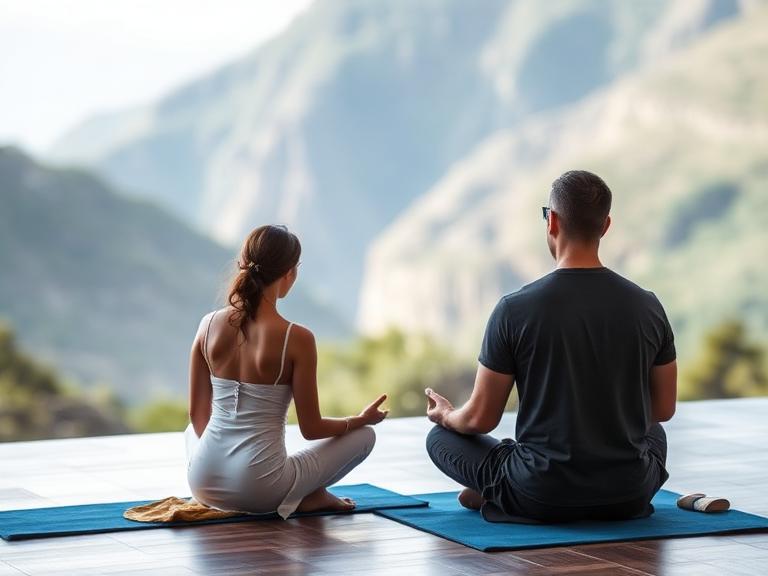
In the midst of today’s fast-paced world, many people are seeking ways to reduce stress, improve focus, and find a sense of calm. That’s where meditation and mindfulness come in. These ancient practices are now gaining widespread popularity as simple, yet powerful tools for improving mental, emotional, and physical well-being.
If you’re new to these practices, the idea of sitting still and clearing your mind can feel intimidating or even impossible. But don’t worry—meditation and mindfulness don’t have to be complicated, and with a little guidance, you can start experiencing their benefits in no time.
In this blog, we’ll break down what meditation and mindfulness are, why they’re beneficial, and offer easy, practical techniques for beginners to get started.
What is Meditation?
Meditation is the practice of focusing the mind to achieve a state of deep concentration, awareness, or relaxation. It’s not about “emptying” your mind, but rather about creating space for awareness, observing your thoughts, and cultivating inner peace.
There are many types of meditation, from simple breathing exercises to more complex visualizations or mantra-based techniques. The goal is to quiet the mind, detach from distractions, and connect with the present moment.
What is Mindfulness?
Mindfulness is a form of awareness—specifically, awareness of the present moment. It’s the practice of paying attention to your thoughts, feelings, sensations, and the world around you without judgment. Unlike meditation, which often involves sitting in a quiet space, mindfulness can be practiced throughout the day in any environment.
Together, mindfulness and meditation complement each other. While meditation is often used as a tool to cultivate mindfulness, mindfulness can be integrated into daily life through simple, conscious moments of awareness.
Why Should Beginners Try Meditation and Mindfulness?
For those new to meditation and mindfulness, you might wonder, “Why should I start?” The answer lies in the numerous physical, emotional, and psychological benefits these practices offer:
1. Reduces Stress and Anxiety
By focusing on the present moment and practicing deep breathing, meditation helps calm the nervous system. Mindfulness, too, encourages you to observe your thoughts without getting caught up in them, reducing the tendency to overthink or ruminate on worries.
2. Improves Focus and Clarity
Regular meditation can train your brain to focus better, improving concentration and mental clarity. Mindfulness encourages you to stay present, which can enhance productivity and help you make clearer decisions.
3. Enhances Emotional Health
Mindfulness helps develop greater emotional awareness and empathy. It allows you to observe your emotions without judgment, leading to better emotional regulation and a more balanced mindset.
4. Promotes Better Sleep
By calming your mind and releasing tension in the body, meditation can significantly improve sleep quality. Mindfulness before bed, such as a body-scan technique, can help you relax into sleep more easily.
5. Boosts Overall Well-being
Both meditation and mindfulness are linked to improved physical health, from lowering blood pressure to boosting immune function. They also promote a sense of well-being by encouraging a deeper connection with your body and mind.
How to Start Meditation and Mindfulness as a Beginner
1. Start Small: Just a Few Minutes a Day
If you’re just beginning, it’s essential to keep it simple. Even a few minutes of practice each day can make a difference. Start with 5 to 10 minutes and gradually extend your practice as you feel more comfortable.
2. Choose a Comfortable Space
Find a quiet, comfortable space where you can sit without distractions. It could be a cozy corner of your room, a park bench, or even your car. Make sure you’re seated in a way that feels comfortable—either sitting in a chair with your feet flat on the floor or sitting cross-legged on the floor or a cushion.
3. Focus on Your Breath
A simple way to meditate is by focusing on your breath. Close your eyes, inhale deeply through your nose, and exhale slowly through your mouth. Notice the sensation of the air entering and leaving your body. When your mind starts to wander, gently bring your focus back to your breath without self-judgment.
Breathing Technique for Beginners:
- Belly Breathing: Place one hand on your belly and the other on your chest. Inhale deeply through your nose, allowing your belly to rise as it fills with air. Exhale slowly through your mouth, feeling your belly fall. This helps calm the nervous system and brings attention to the present moment.
4. Use a Guided Meditation App
As a beginner, you might find it helpful to use a guided meditation app or recording. These apps often feature voice-led sessions that guide you through the process, helping you stay focused. Some popular apps include:
- Headspace (great for beginners)
- Calm (offers various guided meditations and sleep stories)
- Insight Timer (has a large library of free guided meditations)
These apps are helpful for creating structure and consistency in your practice.
5. Practice Mindfulness in Daily Life
Mindfulness doesn’t just have to be a seated practice. You can also integrate mindfulness into your daily routine. Here are a few ideas:
- Mindful Eating: Take a moment to really focus on the food you’re eating—its taste, texture, and how it makes you feel.
- Mindful Walking: Whether you’re walking to your car or around the block, take note of your steps, the sounds around you, and how your body feels with each movement.
- Mindful Listening: When talking to someone, give them your full attention. Notice their words, tone, and body language. Let go of distractions.
6. Be Kind to Yourself
Don’t expect to “master” meditation right away. It’s normal for your mind to wander, especially when you’re just starting out. Instead of getting frustrated, gently return your focus to your breath or the present moment. Meditation is about practice, not perfection.
7. Establish a Routine
Consistency is key to building a sustainable meditation or mindfulness practice. Try to set aside time each day, even if it’s just a few minutes in the morning or before bed. Over time, you’ll notice improvements in your mental clarity and overall well-being.
Meditation and Mindfulness Techniques to Try
Here are a few beginner-friendly techniques to help you get started:
1. The Body Scan
This mindfulness practice involves focusing on different parts of your body, noticing any tension or discomfort, and gently releasing it. You start from the top of your head and work your way down to your toes, paying attention to how each area feels.
2. Loving-Kindness Meditation (Metta)
In this meditation, you send thoughts of love and kindness to yourself and others. Start by repeating phrases like, “May I be happy. May I be healthy. May I live with ease.” Then, extend those same wishes to others—loved ones, strangers, and even people you may have difficulties with.
3. Focused Attention Meditation
This involves focusing on one thing—such as your breath, a candle flame, or a sound—and bringing your attention back to it whenever your mind wanders. It helps improve concentration and strengthens mental focus.
Final Thoughts: Building a Mindful Practice for Life
Meditation and mindfulness are accessible tools that anyone can use, regardless of experience. The key to starting is being patient with yourself and keeping your practice simple. By taking small steps each day, you can begin to experience greater peace of mind, improved focus, and better emotional health.
Remember, it’s not about achieving a perfect state of stillness—it’s about learning to be present, accepting your thoughts as they come, and cultivating a sense of calm and awareness in your everyday life.
So, take a deep breath, set aside a few minutes, and enjoy the journey of exploring your mind. With practice, you’ll likely find that the benefits of meditation and mindfulness will extend far beyond the time you spend practicing, influencing how you move through your day and relate to the world around you.